Battle of Zama
Prelude to Battle
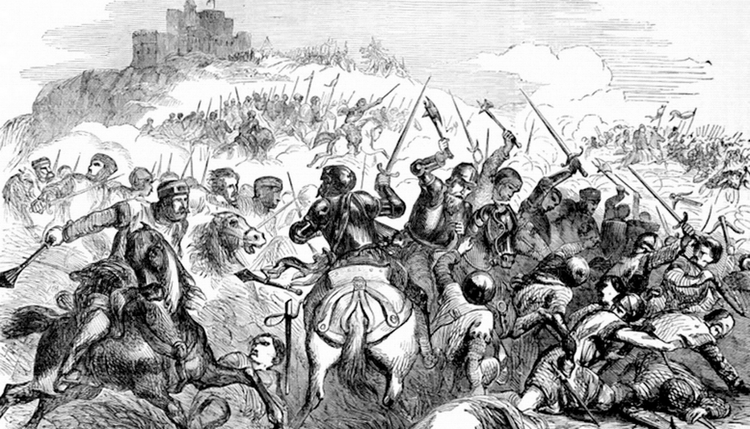
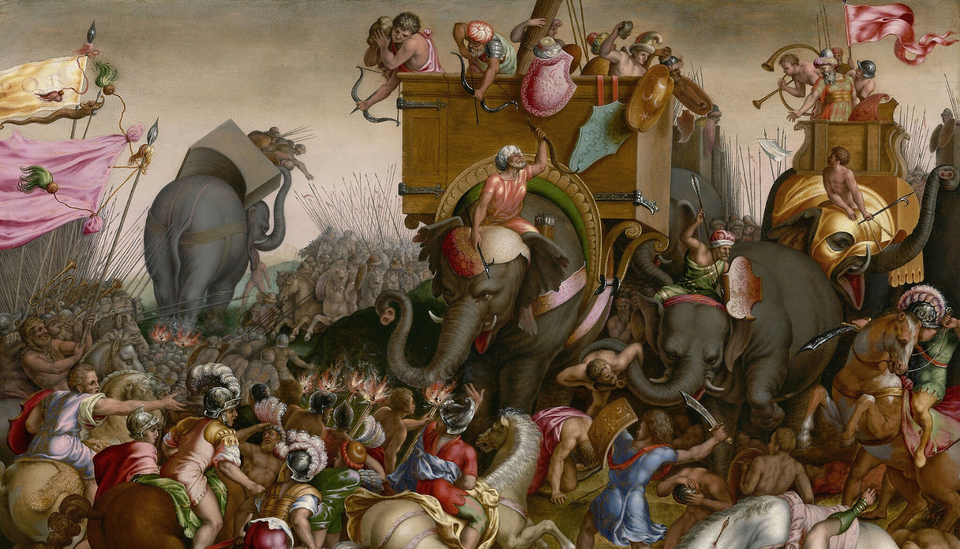
The Battle of Zama, fought in 202 BCE on the plains of North Africa, was the climactic showdown of the Second Punic War—a conflict that had consumed the Mediterranean world for seventeen years. At its center stood two of history’s greatest commanders: Publius Cornelius Scipio of Rome and Hannibal Barca of Carthage. Their confrontation would decide the fate of empires, the direction of Western civilization, and the legacy of military genius for centuries to come.
The war had begun with Hannibal’s audacious invasion of Italy, marked by his legendary crossing of the Alps, crushing victories at Trebia, Lake Trasimene, and Cannae, and years of terror across the Italian peninsula. For over a decade, Rome had fought for survival. But despite devastating losses, Rome refused to break. Over time, the tide shifted. Roman armies reclaimed Spain, defeated Carthaginian allies, and gradually strangled Hannibal’s position in Italy.
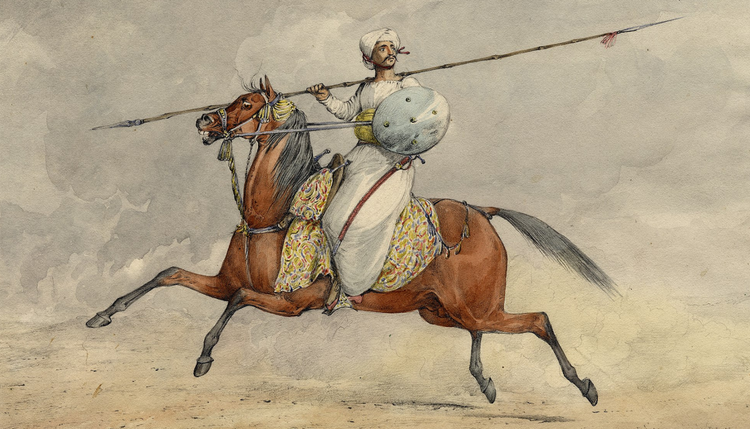
Scipio—brilliant, charismatic, and fiercely ambitious—emerged as Rome’s answer to Hannibal. After conquering Carthaginian Spain, he persuaded the Senate to grant him command of a daring new campaign: an invasion of North Africa itself. With support from local Numidian allies, he struck Carthage’s homeland, forcing the city to recall Hannibal from Italy.
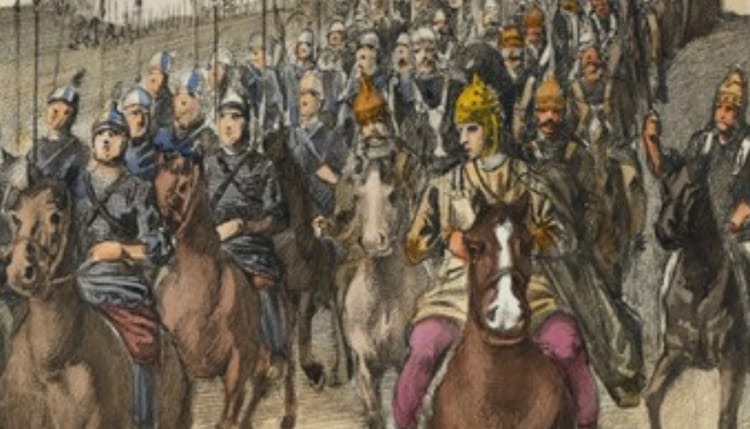
Hannibal returned to Africa older, wiser, and facing a precarious political situation. His once-mighty army had been destroyed in Italy. He now commanded a patchwork force of Carthaginian levies, mercenaries, and a handful of veteran troops who had survived the long Italian campaign. Yet his strategic brilliance remained undiminished. He knew that defeating Scipio in a single, decisive battle was Carthage’s last hope.
As both armies maneuvered across the North African plains, tension mounted in Carthage, Rome, and the courts of their allies. The Mediterranean world waited, breath held, as two titans prepared to face each other at last. The battle that would shape the destiny of antiquity was about to begin.