Battle of Vienna
Prelude to Battle
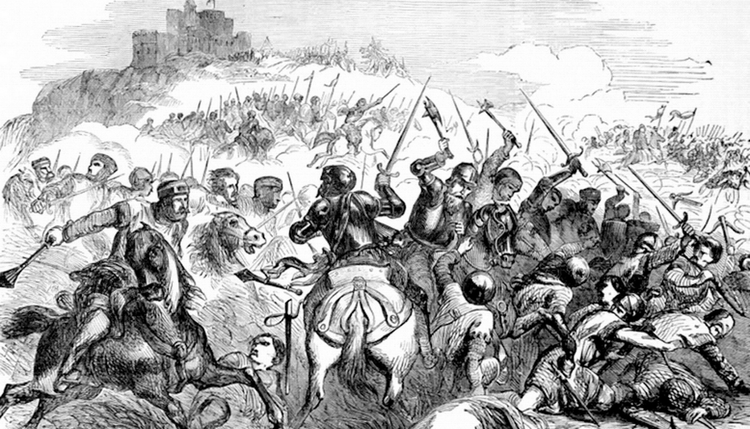
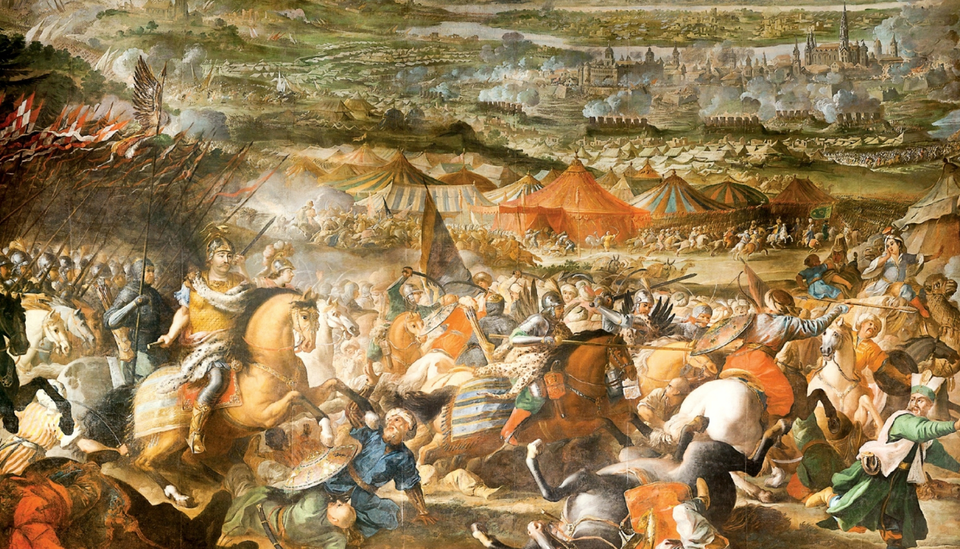
The Battle of Vienna, fought on September 12, 1683, was a monumental confrontation between the Ottoman Empire and a coalition of European forces, marking a crucial turning point in the struggle for dominance in Central Europe. This battle, often considered one of the most significant events in European history, signaled the end of Ottoman expansion into Europe and initiated the long decline of the Ottoman Empire.
The Ottoman Empire, under Sultan Mehmed IV, had been expanding steadily for centuries, and by the late 17th century, its influence stretched from North Africa to Eastern Europe. Under the leadership of Grand Vizier Kara Mustafa, the Ottomans sought to further their conquest by capturing Vienna, the capital of the Habsburg Empire. Vienna was strategically vital as a gateway to Central Europe, and its fall would have opened the way for Ottoman expansion into the heart of Europe.
On the other side, Europe was politically fragmented, with various powers frequently in conflict with one another. However, the Ottoman threat united Christian Europe in a rare moment of cooperation. The Habsburg Empire, under Emperor Leopold I, formed an alliance with the Polish-Lithuanian Commonwealth, led by King John III Sobieski, as well as various German states, most notably Bavaria and Saxony. This alliance, known as the Holy League, was a desperate attempt to repel the advancing Ottoman forces and preserve the balance of power in Europe.