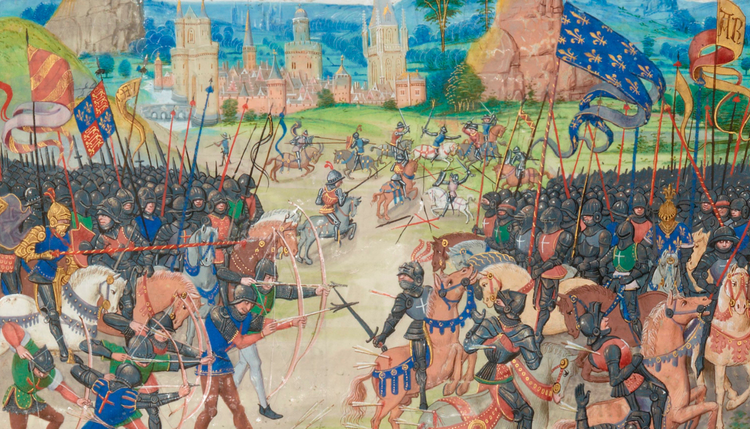
Battle of Mohi
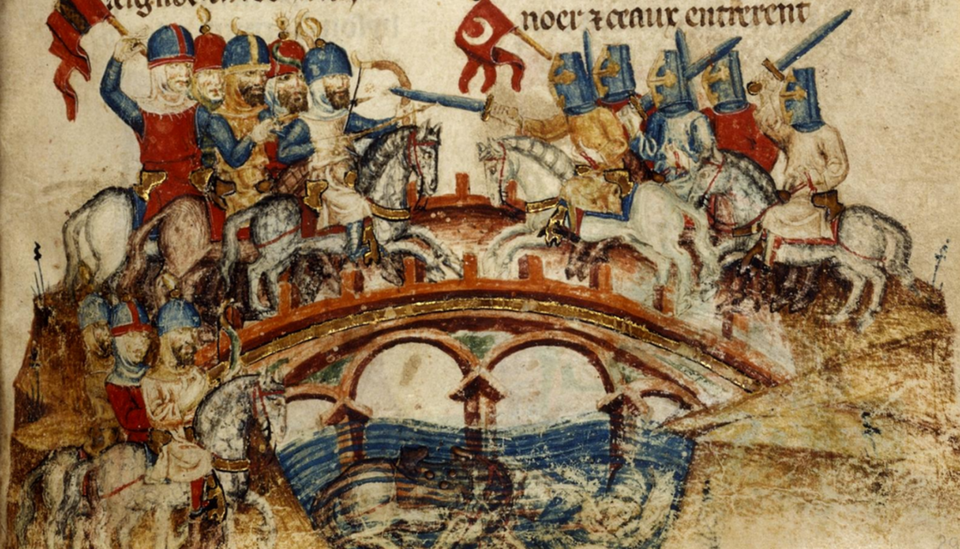
Prelude to Battle
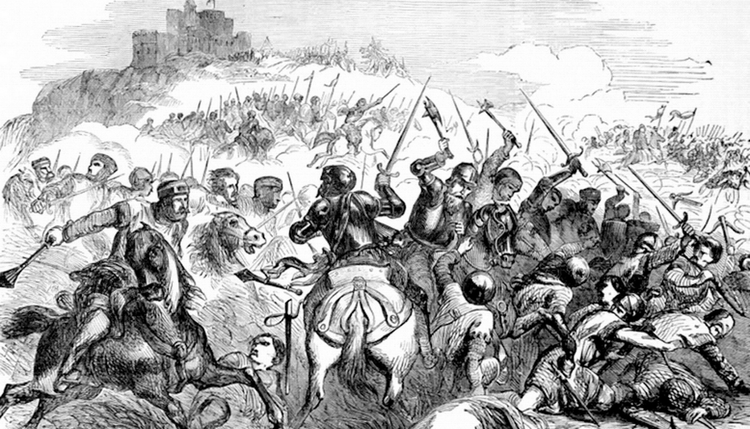
The Battle of Mohi, fought on April 11, 1241, on the plains surrounding the Sajó River in the Kingdom of Hungary, was one of the most devastating clashes of the medieval era. For Europe, it marked a moment when the unstoppable Mongol war machine—fresh from conquering vast swaths of Asia and Russia—pressed into the heart of Christendom. The Mongol Empire, led by the brilliant and ruthless descendants of Genghis Khan, sought to expand westward, subdue the kingdoms of Eastern Europe, and secure control over the trade routes that threaded across the continent.
Hungary stood in their path. In the eyes of Batu Khan, overall commander of the Mongol invasion, the Hungarian kingdom was a critical target—wealthy, strategically located, and home to tens of thousands of nomadic Cumans whom the Mongols viewed as subjects who had fled Mongol rule. When King Béla IV offered these Cumans refuge, Batu Khan saw it as a provocation demanding retribution.
The political atmosphere in Europe crackled with uncertainty. Rumors of Mongol brutality spread across monasteries, markets, and royal courts. Some dismissed the reports as exaggerated tales from the East; others feared the arrival of an enemy unlike any they had ever known. In Hungary, King Béla scrambled to raise armies, fortify defenses, and call for aid from neighboring kingdoms and the Pope. Europe offered words—few offered soldiers.
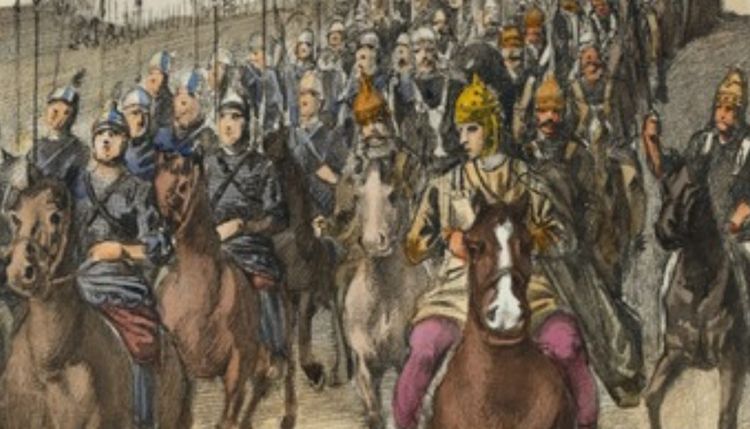
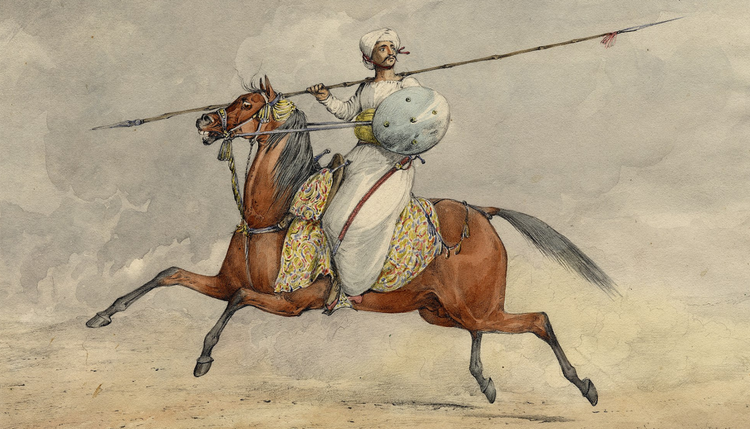
As spring arrived in 1241, massive Mongol armies, disciplined and terrifyingly efficient, streamed into Hungary from multiple directions. Béla IV gathered his nobles, knights, militias, and foreign mercenaries for a decisive confrontation. The plains near the Sajó River, close to the village of Mohi, became the chosen battleground. There, one of the most lopsided yet consequential battles of the Middle Ages unfolded.