Battle of Megiddo
Prelude to Battle
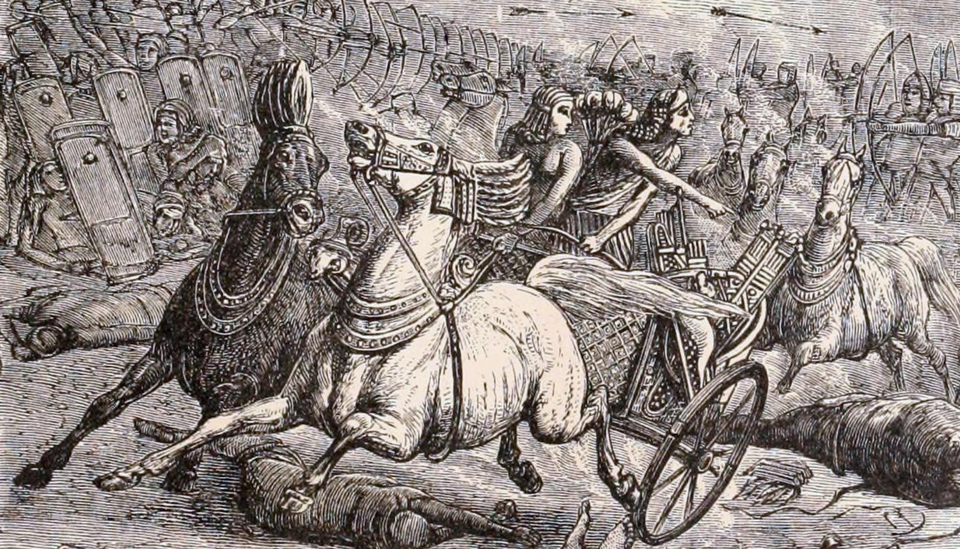
The Battle of Megiddo, fought in 1457 BCE, is one of the earliest recorded battles in history, marking a pivotal moment in ancient military strategy and politics. This conflict took place during the reign of Pharaoh Thutmose III of Egypt, who sought to reassert Egyptian dominance over the rebellious city-states of Canaan. The strategic importance of Megiddo, a key trade route in the Levant, made it a critical location in the power struggles of the ancient Near East.
Before the battle, Egypt had long been the dominant force in the region, exerting control over Canaan and its neighboring territories. However, during the reign of Thutmose III’s predecessor, Queen Hatshepsut, Egyptian influence had weakened, allowing local rulers to gain power. The King of Kadesh, a powerful city-state to the north, formed a coalition of Canaanite kings, seeking to break free from Egyptian rule. They chose Megiddo as the stronghold from which they would challenge the Egyptian army.
Thutmose III, determined to restore Egypt’s supremacy, launched his military campaign to crush the rebellion. This battle was significant not only for the future of Egyptian influence but also for the development of military tactics. Thutmose’s leadership and strategic decisions during this campaign would define his legacy as one of Egypt’s greatest warrior-pharaohs.