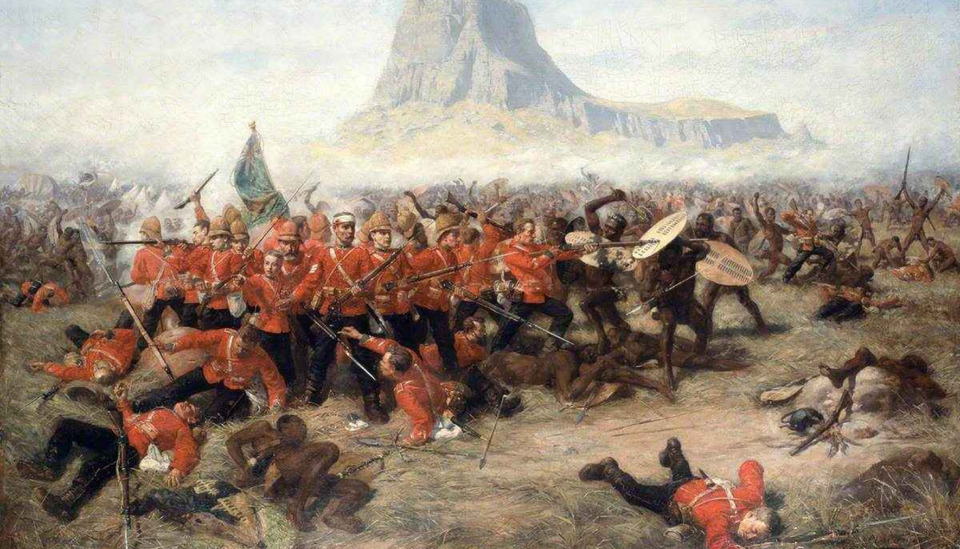
Battle of Isandlwana
Prelude to Battle
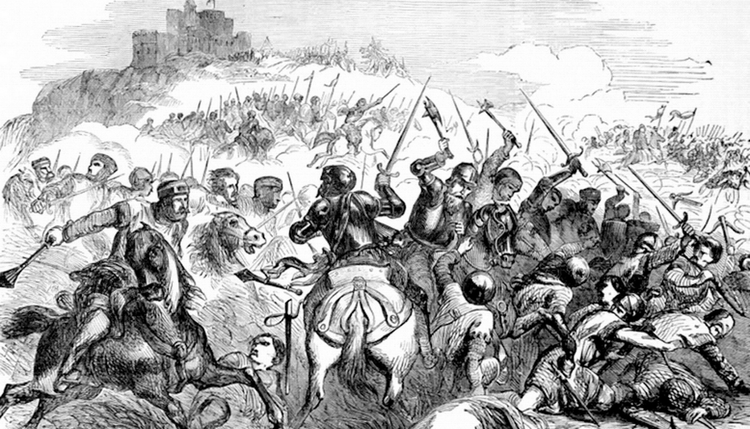
The Battle of Isandlwana, fought on January 22, 1879, was a pivotal moment in the Anglo-Zulu War and one of the greatest defeats suffered by British forces at the hands of a native army. The conflict was born out of the British Empire's ambition to expand its control over southern Africa, which led to tensions with the Zulu Kingdom, ruled by King Cetshwayo. The British viewed the powerful Zulu army as a potential threat to their colonial ambitions in the region, and in December 1878, High Commissioner Sir Henry Bartle Frere issued an ultimatum to Cetshwayo that was designed to be impossible to accept. When the Zulu king refused to comply with the ultimatum, war was declared.
The British objective was to dismantle the Zulu military system and incorporate Zululand into their growing colonial empire. The Zulu people, however, were fiercely independent and highly militarized, with a disciplined army that had been honed through years of warfare under the reign of Cetshwayo and his predecessors. The British assumed that their modern weaponry and superior tactics would easily overpower the Zulu warriors, but the events at Isandlwana would reveal how gravely they underestimated their adversary.
As part of the British invasion, Lord Chelmsford, commander of the British forces, divided his army into three columns. One of these, led by Colonel Richard Glyn with Chelmsford himself in overall command, was tasked with moving deep into Zululand and striking at the heart of the Zulu nation. On January 20, 1879, this column set up camp at the base of Isandlwana, a distinctive hill on the plains of Zululand. The stage was set for a confrontation that would shock the British Empire and inspire the Zulu nation.