Battle of Guam
Prelude to Battle
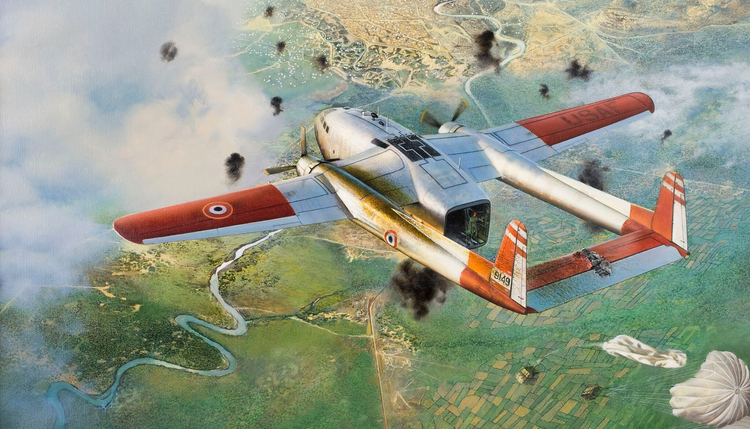
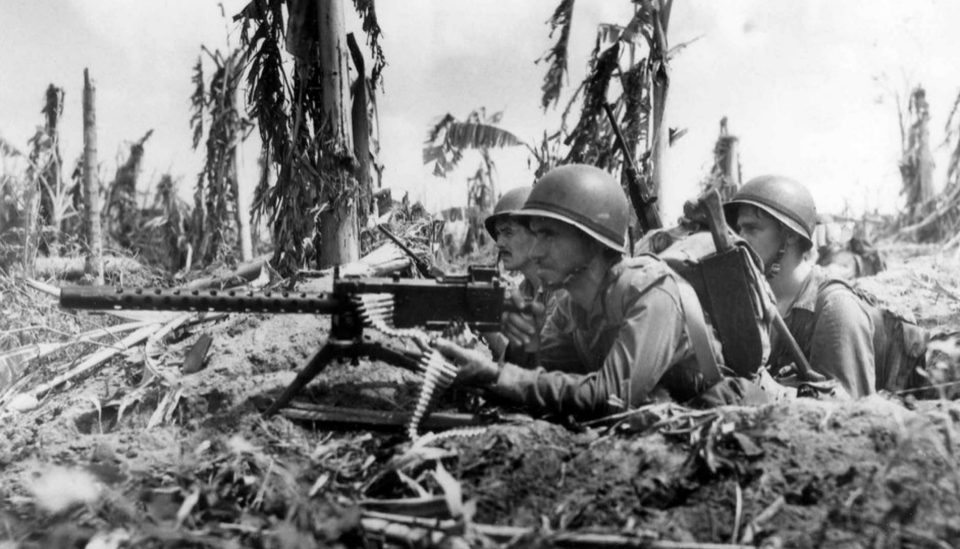
The Battle of Guam, fought between July 21 and August 10, 1944, was a pivotal encounter in the Pacific Theater of World War II and part of the United States’ broader island-hopping strategy against Japanese forces. Guam, the largest of the Mariana Islands, was strategically critical for both the Allies and the Japanese due to its geographical proximity to Japan and its valuable airfields, which allowed control of air routes across the Pacific. Previously seized by the Japanese in December 1941, Guam had since become a fortified hub within Japan’s defensive network. By 1944, American forces were determined to recapture Guam as part of their campaign to secure the Marianas and disrupt Japanese logistics and supply lines.
For the United States, the Marianas represented a launching pad for direct attacks on the Japanese home islands, while for Japan, it was a vital shield against Allied advances. The battle that unfolded on Guam was not only a clash of military might but a test of endurance, strategy, and fortitude, with both sides prepared to make enormous sacrifices.