Battle of Bannockburn
Prelude to Battle
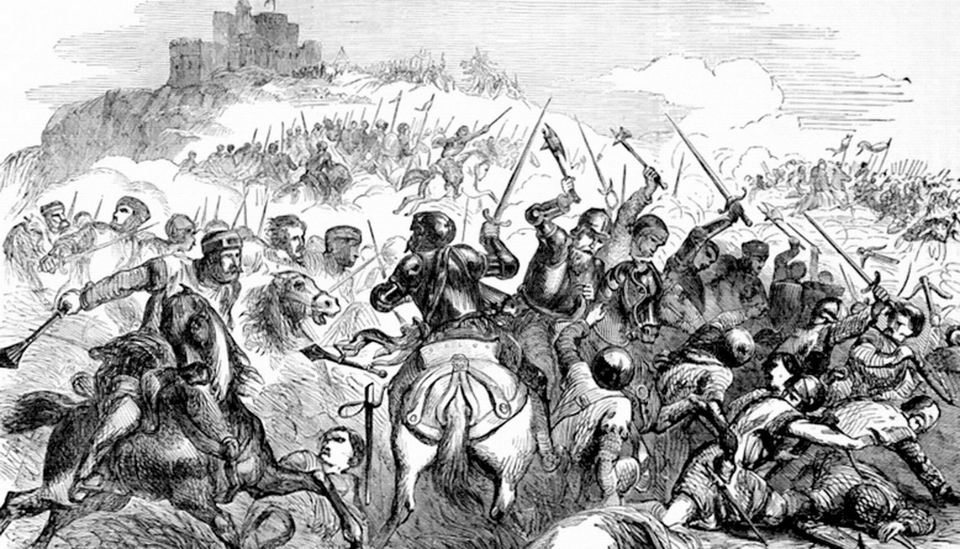
The Battle of Bannockburn, fought on June 23–24, 1314, was one of the most significant battles in Scottish history. It marked a decisive turning point in the First War of Scottish Independence, pitting the forces of Robert the Bruce, King of Scots, against the vastly superior army of King Edward II of England. The engagement arose from the longstanding struggle for Scottish independence following the English invasion of Scotland under Edward I, known as the "Hammer of the Scots."
By 1314, Robert the Bruce had effectively consolidated his power in Scotland. Through guerrilla tactics and a strategic campaign of castle sieges, he had reclaimed much of Scotland from English control. However, Stirling Castle, a vital stronghold, remained under English occupation. Its governor, Sir Philip Mowbray, agreed to surrender the castle unless relieved by an English army by midsummer 1314. This compelled Edward II to assemble a massive force to march north, setting the stage for a showdown at Bannockburn.
For Scotland, Bannockburn was a battle for survival and sovereignty. For England, it was an attempt to reassert dominance over a rebellious vassal. The stakes were monumental, and both sides understood the implications of the coming confrontation.