Battle of Austerlitz
Prelude to Battle
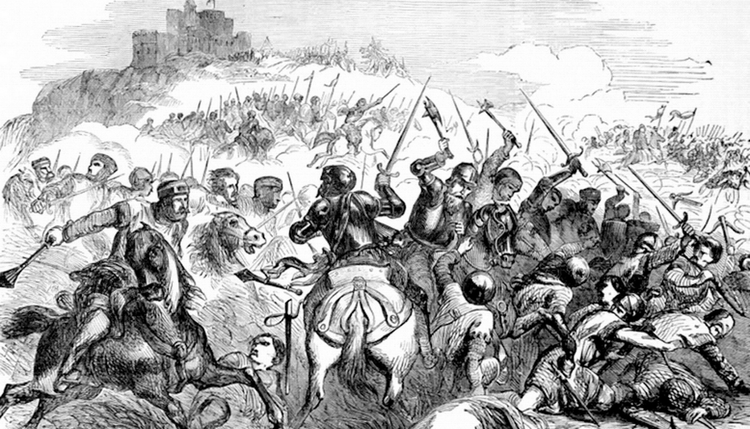
The Battle of Austerlitz, also known as the Battle of the Three Emperors, took place on December 2, 1805. It was one of the most significant battles in the Napoleonic Wars, cementing Napoleon Bonaparte’s reputation as a military genius. Fought in the modern-day Czech Republic, the battle pitted the French army under Napoleon against the combined forces of the Russian and Austrian Empires, commanded by Tsar Alexander I and Holy Roman Emperor Francis II.
The political climate leading up to the battle was one of deep unrest in Europe. Napoleon, crowned Emperor of the French in 1804, had been expanding his influence across the continent. His ambitions alarmed the great powers, prompting the formation of the Third Coalition, which included Britain, Russia, Austria, and Sweden. Austria, having been humiliated by Napoleon in earlier campaigns, was eager for revenge, while Russia sought to curb French dominance.
Napoleon’s Grande Armée had been campaigning in central Europe throughout 1805, moving rapidly and outmaneuvering his enemies. After defeating Austrian forces at Ulm in October, Napoleon turned his attention to the Russians and Austrians who had regrouped in Moravia. Outnumbered but confident, Napoleon sought to deliver a decisive blow that would break the coalition and solidify his control over Europe.